Loading artist

Fumio Fujita
Biography
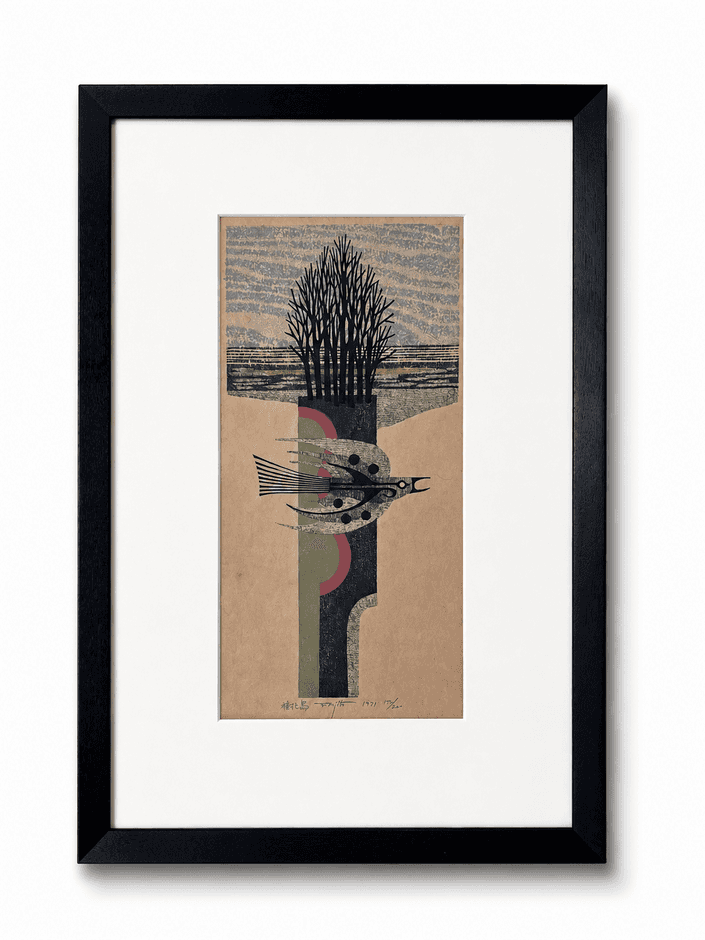
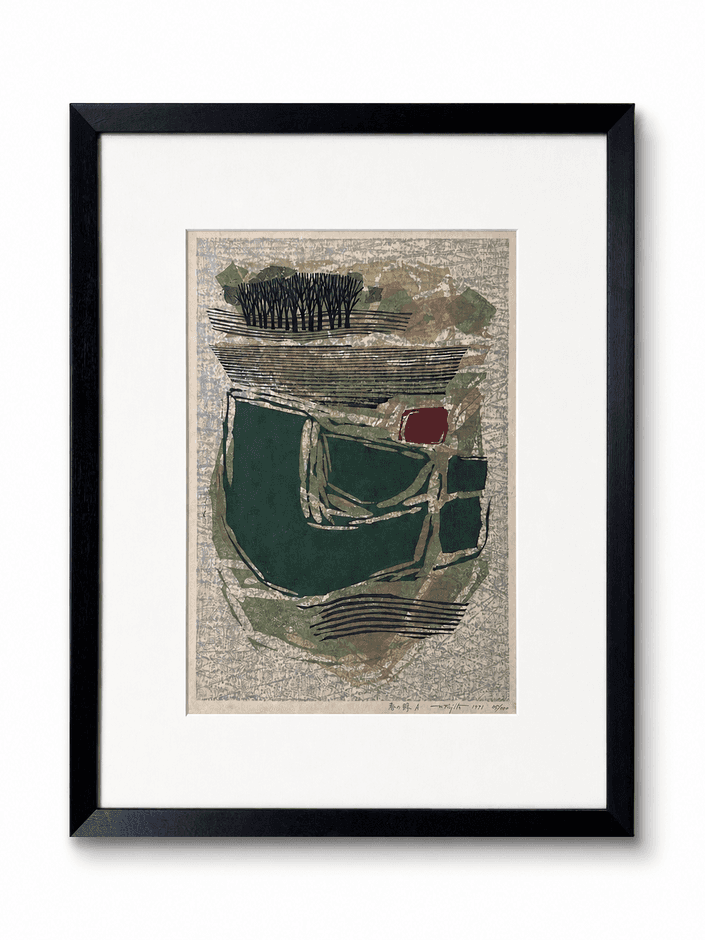
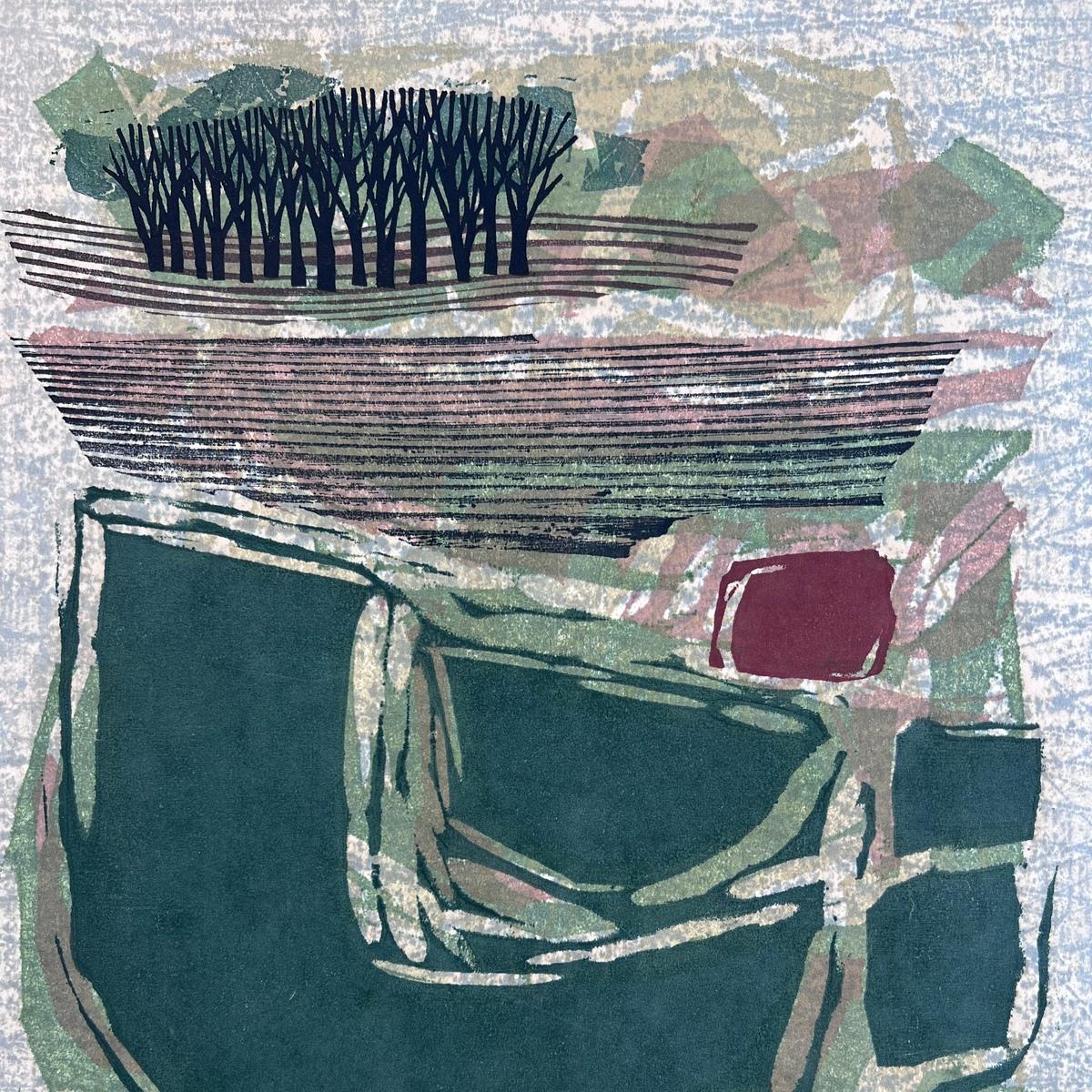
b. 1933, Handa City, Aichi Prefecture, Japan Fumio Fujita is regarded as one of the most important voices in post-war Japanese woodblock printmaking and a leading figure within the sōsaku hanga movement — the modern Japanese print tradition centered on the artist as designer, carver, and printer. Across a career spanning decades, Fujita developed a visual language defined by restraint, atmosphere, and quiet emotional resonance, creating works that bridge traditional Japanese craftsmanship with a distinctly modern sensibility. Fujita studied oil painting at Musashino Art School (now Musashino Art University), graduating in 1956, and later worked in Tokyo as a graphic designer before fully dedicating himself to printmaking in the 1960s. Around 1963, he embraced the moku hanga process entirely by hand, producing prints that were self-drawn, self-carved, and self-printed. He exhibited with the Japan Printmakers Association, was affiliated with the Rainbow Association, and worked as a resident printmaker for a gallery in Tokyo’s Ginza district. While Fujita became widely known for his atmospheric landscapes, collectors and scholars have increasingly recognized the singular importance of his modernist abstract compositions from the 1960s and 1970s. These works occupy a distinctive place within Japanese woodblock print history, blending organic abstraction, geometric structure, and minimalist spatial tension with the tactile warmth unique to hand-carved woodblock printing. Unlike many contemporaries working within either strictly traditional or overtly avant-garde modes, Fujita developed a deeply personal visual language that balanced modern abstraction with meditative subtlety. His abstract prints, often incorporating floating forms, textured surfaces, symbolic motifs, birds, or fragmented natural elements possess a quiet sophistication that continues to resonate strongly with contemporary collectors of post-war Japanese art. Deeply influenced by both design and nature, Fujita approached printmaking with unusual sensitivity to texture, negative space, and tonal restraint. His compositions often evoke silence and contemplation rather than narrative, allowing atmosphere and emotional nuance to emerge through layered color gradations and the visible grain of the wood itself. This ability to achieve emotional depth through simplicity has become one of the defining qualities of his work. Now in his nineties and no longer actively printing, Fujita’s legacy continues through a devoted international collector base and a body of work increasingly recognized as one of the quiet achievements of modern Japanese printmaking. His prints are held in major institutional collections including the Los Angeles County Museum of Art (LACMA), the Smithsonian National Museum of Asian Art, the British Museum, and the Museo de Arte de Ponce.